1. Make the area safe
Before any work, the area is marked off so no one steps into it by mistake.
Fairview, NJ · Monmouth County
Worried about what is hiding in drawers, bags or a vacant building in Fairview? Call (877) 812-4220. Crews check the whole space, collect sharps with tools and clean up afterward.
If anyone is in danger, call 911 first. For a suicide crisis, call or text 988.
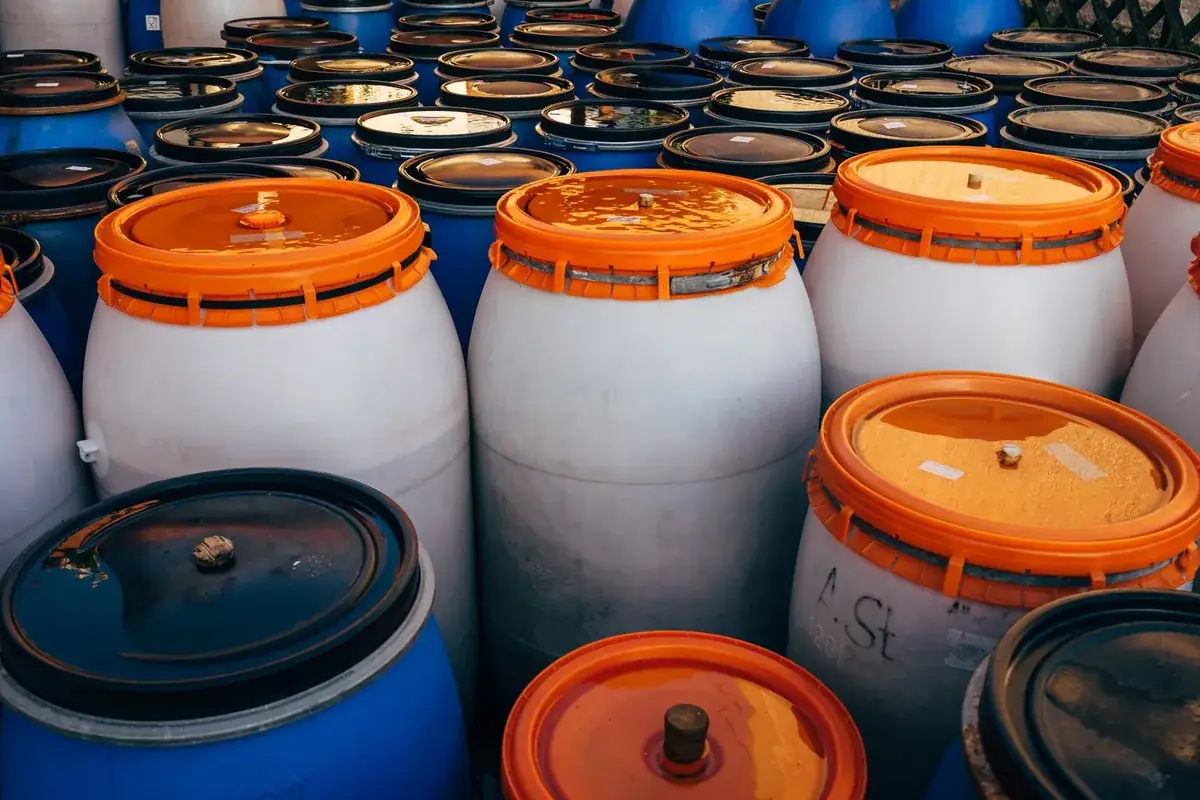
Used needle disposal means placing needles and syringes into rigid containers made to resist punctures, then sending them to a facility that treats medical waste. It keeps workers, children and pets safe.
If your Fairview property has needles, syringes or other sharps, you can call Fairview Biohazard Cleanup Help and get them searched for, collected and disposed of anywhere in Monmouth County. Crews wear protective gear and use tools designed to keep hands away from points.
Most homes in Monmouth County are owner occupied, with renters at about 24% of households, so many needle calls come from families clearing a home or yard. A stick, cut or splash should be checked by a doctor without delay. Riverview Medical Center in Red Bank serves people in and around Fairview.
A typical needle & sharps cleanup job includes:
Before any work, the area is marked off so no one steps into it by mistake.
Cleanup technicians wear puncture-resistant gloves, eye protection and boots for the sweep.
Sharps go into labeled containers without being recapped, bent or picked up by hand.
The crew removes the containers, double-checks the space and answers questions before leaving.
The cost of needle & sharps cleanup in Fairview, NJ depends on the amount of material, how it is packed and how it is hauled.
Disposal as regulated medical waste is part of the work, and treatment facilities charge by container or weight.
| Type of job | Typical range |
|---|
These ranges come from published cost guides () and are not a quote for Fairview. Price drivers include number of items, where they are found, whether a sweep of a large area is needed, waste disposal. For a real number, call (877) 812-4220.
Safer options exist. Many cities and health departments have programs for found needles and may give instructions or send someone. If you are unsure, do not touch it. Leaving a needle in place and keeping others away is safer than risking a stick.
No. Recapping or bending a used needle is one of the most common ways people get stuck. Leave it where it is and let a cleanup team lift it with a tool and place it in a container.
A used needle can carry bloodborne pathogens such as hepatitis B, hepatitis C and HIV. The chance of infection from one stick depends on many things, and a doctor can explain what applies. Get medical care promptly after any stick or cut.
No. This page explains how needle and sharps cleanup works. It is not medical, legal or insurance advice. For exposure or symptoms, contact a doctor or Poison Control, and for local programs ask the health department.
Some cities and counties collect found needles from public land at no charge, and many do not. Availability varies. The local health department or public works office can say what exists where you live, and a cleanup team can help with private property.
Stay back and keep children and pets away. Do not pick it up. Note where it is and call the local health department or a cleanup team. If anyone is stuck or cut, wash with soap and water, get medical care, and call 911 in an emergency.
Ask about discreet arrival in an unmarked vehicle if privacy matters.
Call (877) 812-4220